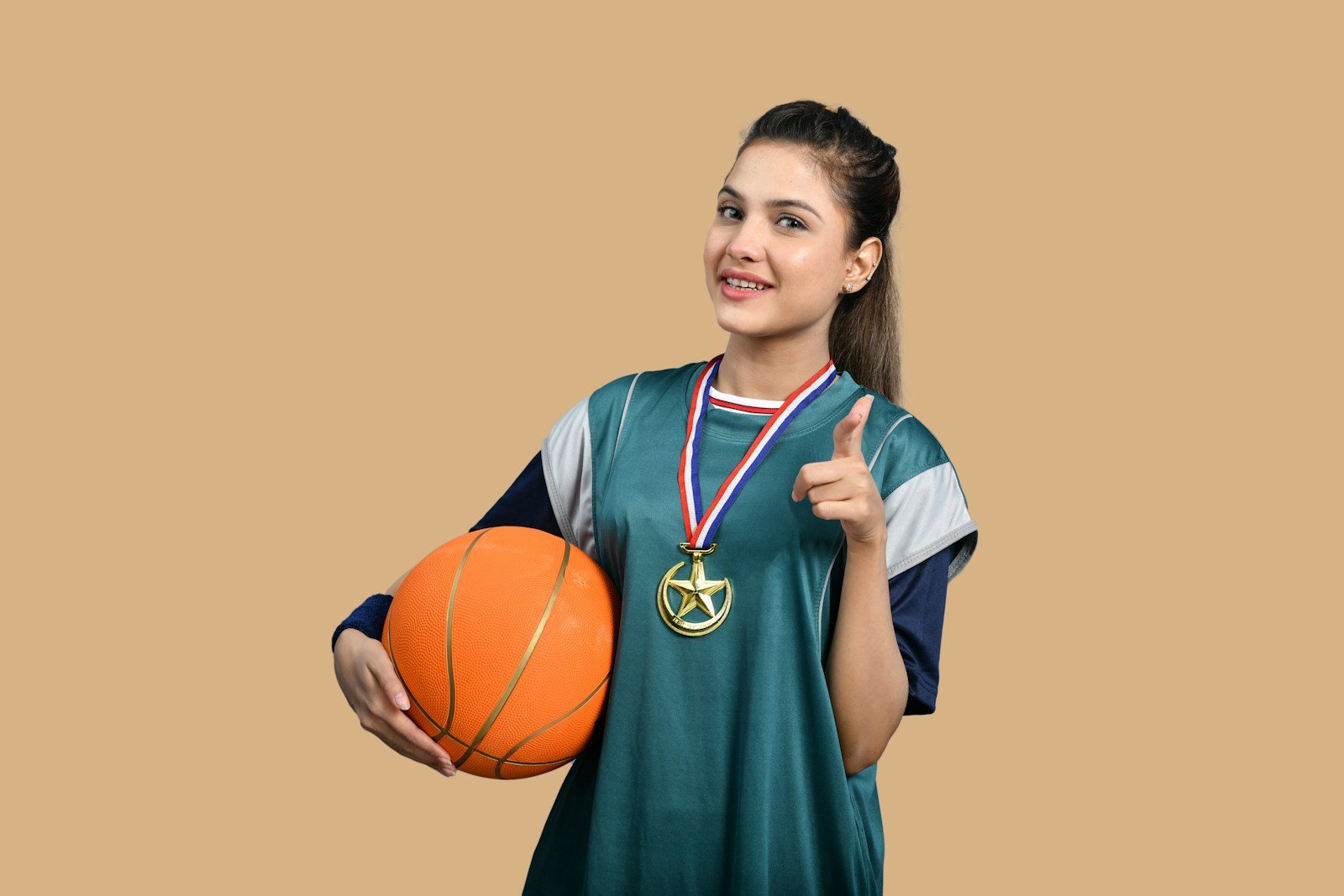
Combining high-level athletics with a quality U.S. college education is a dream for many talented student-athletes. Sports scholarships in the USA (also called athletic scholarships) can cover partial or full costs of tuition, room and board, books, and fees while allowing you to compete at the collegiate level.
In 2026, opportunities exist across NCAA (Divisions I, II, III), NAIA, and NJCAA levels. International students are eligible for athletic scholarships at NCAA D1/D2, NAIA, and NJCAA schools, though Division III offers no athletic scholarships (only academic or need-based aid).
This guide explains the different types of sports scholarships, eligibility, and a clear step-by-step process on how to apply for sports scholarships in the USA.
Types of College Sports Organizations Offering Scholarships
- NCAA Division I & II: Most competitive; full and partial athletic scholarships available. Division I is the highest level (e.g., Power conferences in football, basketball).
- NAIA: Smaller schools with more flexible rules; athletic scholarships offered.
- NJCAA (Junior Colleges): Two-year programs; scholarships at Division I and II levels. Often a pathway to four-year schools.
- NCAA Division III: No athletic scholarships, but strong academic and need-based aid possible.
Full scholarships (covering all costs) are rare and mostly limited to high-demand sports like football and basketball at D1 level. Most athletes receive partial scholarships.
Popular sports with scholarship opportunities include soccer, basketball, volleyball, tennis, golf, swimming, track & field, and many others.
Eligibility Requirements for Sports Scholarships
Academic Eligibility:
- NCAA D1/D2: Register with the NCAA Eligibility Center. Meet core course requirements (16 core courses), minimum GPA (sliding scale for D1; 2.2 for D2), and test scores (SAT/ACT where applicable).
- NAIA: Register with NAIA Eligibility Center. Meet at least 2 of 3 criteria: minimum GPA 2.0, top 50% class rank, or minimum test scores (SAT 860 / ACT 18).
- NJCAA: More flexible; high school diploma or GED usually sufficient.
Athletic Eligibility:
- Compete at a high level with verifiable results, rankings, videos, and stats.
- Maintain amateur status (no professional contracts in your sport).
For International Students:
- You are eligible for athletic scholarships.
- Provide translated academic transcripts and proof of English proficiency (TOEFL/IELTS or alternatives).
- Start the process 18–24 months before intended start date.
Step-by-Step: How to Apply for Sports Scholarships in the USA
- Assess Your Level and Create a Profile (Start 18–24 Months Early)
Evaluate your athletic ability against U.S. college standards. Create a strong recruiting profile including:
- Academic transcripts and GPA
- Highlight video (game footage, skills)
- Stats, rankings, achievements
- Athletic resume
- Register with the Appropriate Eligibility Center
- NCAA: web3.ncaa.org/ecwr3/
- NAIA: play.naia.org
- This is mandatory for NCAA/NAIA competition and helps coaches verify you.
- Research Schools and Contact Coaches
Identify schools that match your athletic and academic level. Use recruiting platforms or services.
Email coaches directly with your profile, video link, and interest in their program. Personalize each message. - Attend ID Camps, Combines, or Trials
Participate in college ID camps, showcase events, or virtual evaluations. Many recruitment companies organize tryouts. - Apply for Admission
Submit university applications (Common App or school-specific). Mention your athletic interest. Deadlines are often December–January for Fall intake. - Receive Offers and Negotiate
Coaches extend scholarship offers based on team needs, your talent, and budget. Offers can be verbal or official (National Letter of Intent for NCAA). - Accept Offer and Complete Enrollment
Sign documents, apply for student visa (F-1), and prepare for arrival.
Pro Tip: Work with reputable recruitment agencies (e.g., U.S. Sports Scholarships, FirstPoint USA, Athletes USA) if you need help with coach outreach and profile creation. They have direct coach networks but research thoroughly before committing.
Comparison Table: Sports Scholarship Levels 2026
| Organization | Scholarship Availability | Competitiveness | Best For | Key Requirement |
|---|---|---|---|---|
| NCAA Division I | Full & partial (equivalency) | Very High | Top-tier athletes | NCAA Eligibility Center |
| NCAA Division II | Partial (equivalency) | High | Strong athletes | NCAA Eligibility Center |
| NAIA | Full & partial | Medium | Balanced academics & athletics | NAIA Eligibility Center |
| NJCAA | Full & partial (D1/D2) | Medium | Pathway to 4-year schools | High school diploma/GED |
| NCAA Division III | None (academic/need-based only) | Academic focus | Strong students who want to compete | No athletic scholarship |
Scholarship amounts vary widely. Full rides are rare outside revenue sports.
Important Considerations for International Athletes
- Athletic scholarships are not guaranteed — coaches decide based on team needs.
- Partial scholarships are common; combine with academic aid or loans if needed.
- Maintain academic progress once enrolled to keep your scholarship.
- Visa and English requirements still apply alongside athletic eligibility.
Final Thoughts
Sports scholarships in the USA offer a unique opportunity to compete at a high level while earning a degree. Success requires strong athletics, solid academics, early planning, and proactive coach communication.
Start building your recruiting profile today, register with the eligibility center, and reach out to coaches. Whether you aim for NCAA D1 or a junior college pathway, consistent effort and realistic expectations increase your chances significantly.
For personalized help, explore reputable recruitment services or contact EducationUSA centers. Visit official NCAA, NAIA, and NJCAA websites for the latest eligibility rules and deadlines for 2026 intake.
Disclaimer: Scholarship availability, eligibility rules, and deadlines can change. Always verify the most current information directly with the NCAA Eligibility Center, NAIA, NJCAA, or individual college coaches and admissions offices. This article is for informational purposes only.